
Creating a culture of Compliance – Continuous Communication
Creating a Culture of Compliance can be a difficult task given the many moving pieces, but there are several benefits. In this post, we will be considering the topic of Continuous Communication to help build a culture of compliance.
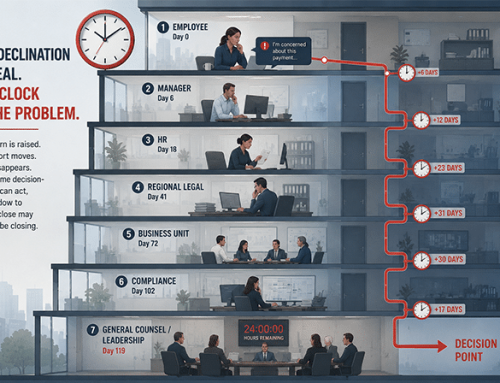
A company that only deals with problems as they become obvious is setting itself up for failure, leading to a climate of putting out fires instead of preventing them. Employees are most successful at complying when they are frequently reminded of the reasons for these compliance policies and the protections they provide to both the employee and the company.
A company-wide compliance program should not be a secret to employees. Many companies simply send out a link to a company compliance document once a year to remind employees, but is that enough communication to create a culture of compliance? Continuous, varied communication that raises awareness of compliance programs is key to creating a successful culture of compliance. Organizations looking to structure this approach will find practical guidance in our continuous compliance training program. Certain company divisions or job roles that are often exposed to compliance dilemmas or ethical situations need more frequent, tailored communication to specific company divisions, such as sales, purchasing, or R&D. This tailored communication is critical to a successful culture of compliance.
When employees understand why compliance laws matter and are convinced that management sees compliance as a priority, only then will they be motivated to learn and remember the stipulations of their compliance program.
What are you doing to create a culture of compliance?
How often do you communicate your compliance program to your employees?
Do you tailor your compliance communications differently by company division or job role?
In Part II, we examine how continuous communication sets the stage for continuous training. In Part III, we look at how organizations keep their compliance programs current in a rapidly changing business environment. Once the culture of compliance is firmly established, employees can conduct business with greater security and confidence in their decisions.
For a practical framework on building this kind of program, see: How to Build a Continuous Compliance Training Program
© 2005–2026 Xcelus LLC. All rights reserved. This content is for training and discussion only and is not legal advice; consult qualified counsel about your organization’s specific obligations.